How to Store Cement Properly at Construction Sites to Prevent Damage
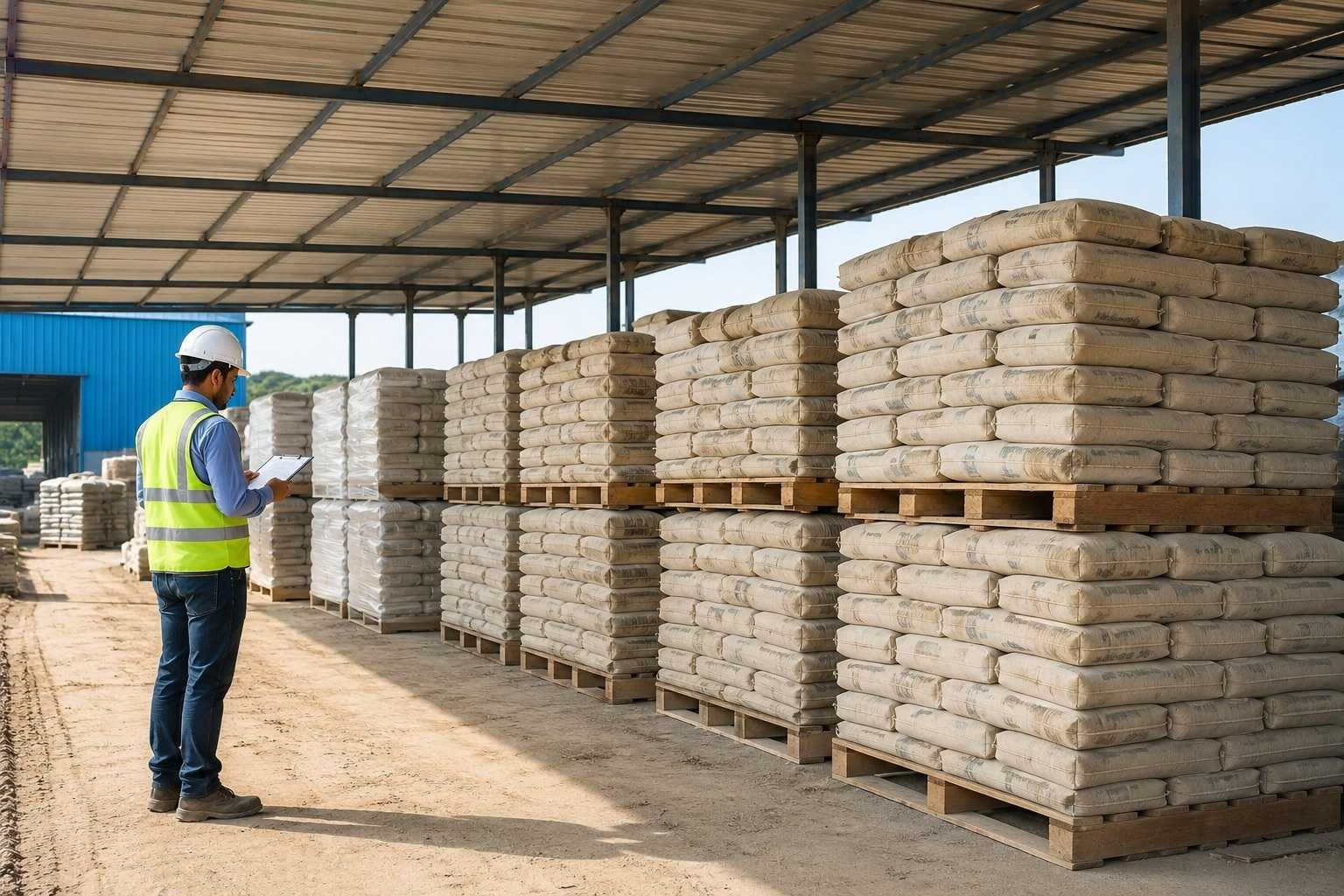
Whenever you find yourself at a construction site, one of the first things that catches your eye is piles of cement bags ready to be used. However, there is one thing you need to remember about cement: it is extremely vulnerable to the environment. Even minor lapses in cement storage can lead to moisture damage and material wastage. Luckily, proper cement storage guidelines can help safeguard this investment.
Why Proper Cement Storage is Important
The foundation of all building activities is cement. Nevertheless, the cement rapidly deteriorates if it is not stored correctly or in areas of high humidity.
Strength retention: If a sack is carelessly left on the floor, it might absorb moisture and cause a reduction of 50% of the compressive strength of the material.
Material wastage: Poor packaging, tearing of sacks, or exposure to rainfall will cause wastage of entire lots, which increases the cost of projects.
Safety: The use of poor-quality cement leads to structural failure and risks to lives and financial investments.
Storing premium-quality cement effectively will ensure that its engineered quality doesn’t degrade while still in storage.
How Environmental Conditions Damage Stored Cement
Construction sites are exposed to varying conditions. Some examples of environmental elements include:
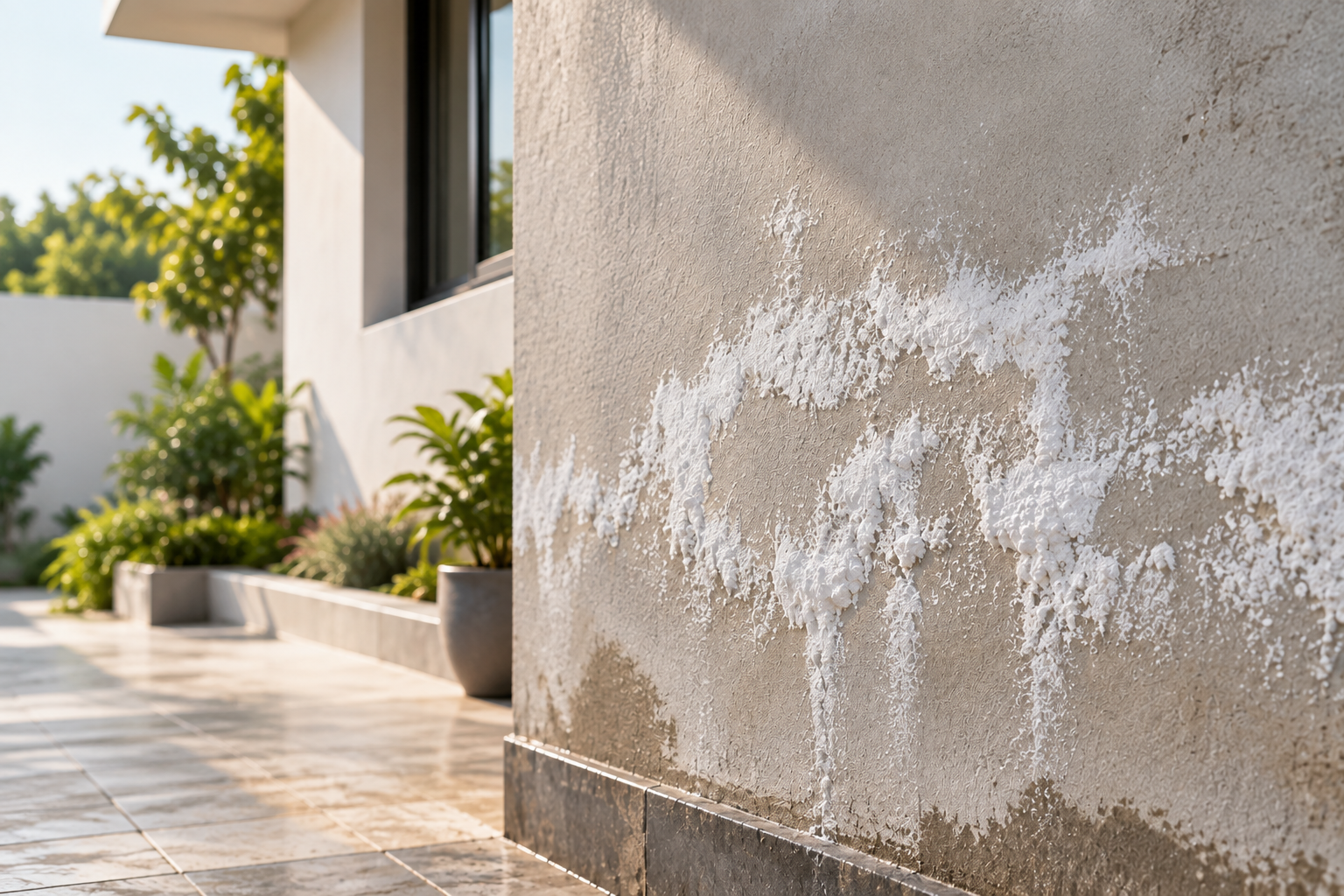
Moisture in the air: High humidity causes cement to set inside the bags, making it lumpy and thus unusable.
Ground contact: Direct ground contact makes it possible for moisture to reach the bags through capillarity.
Exposure to rain: Cement bags exposed to rain get spoiled even after a few minutes of exposure.
Prolonged storage time: The typical cement shelf life is around three months. Any time past that results in its deterioration.
For example, when a contractor operating in coastal areas stored cement in the open and incurred losses of up to 30% due to the rainy season. Compare that to another contractor storing quality cement in an elevated shelter; there were no problems at all.
Common Cement Storage Mistakes
Even experienced contractors tend to neglect certain basic aspects of preventive measures. Here are the things one should avoid when storing cement:
Storage on the floor: It leads to moisture in the cement.
Over-stacking: Excessive stacking puts pressure on the lower bags, causing the cement to compact and become difficult to use.
Neglecting its life span: Expired cement leads to a weak structure.
Open storage: It accelerates the deterioration of cement.
For instance, a small contractor stored cement bags directly in the sunlight without covering them because he thought it would protect the bags from moisture. However, in reality, moisture could condense overnight in the cement bags.
Premium Cement + Proper Storage = Maximum Returns
The premium cement is manufactured with a view to meeting the requirements of durability, safety, and sustainability. However, these benefits can be enjoyed only with proper storage of the cement. It means that we have a relationship:
Durability: The premium cement is enduring, and with proper storage, we are able to preserve its full power when used.
Safety: Premium quality cement + proper handling = no cracks or collapses.
Sustainability: By decreasing waste, there will be fewer used materials, which corresponds to sustainability practices in the field of construction.
Combining all those aspects, you can maximize material performance and a long-lasting building, with lower repair costs and much more.
Cement may appear to be a simple construction material, yet it requires our attention in terms of storage. By applying the right approach and using elevated platforms, coverings, FIFO principles, and sustainable building practices, you can prevent cement degradation and show respect for its premium quality. This way, we make buildings stronger, safer, and more sustainable.





 Back
Back