How to Prevent Efflorescence White Salt Patches on Brick Walls
Efflorescence, locally called shorat or saltpeter, is one of the most common but least understood problems faced by homeowners who have plastered brick walls. It is easy to mistake the whitish powder that develops on newly plastered walls for being simple aesthetic problems. While many people think that it is merely dampness, the fact is that there is much more to it. Ignoring the problem could eventually make your walls susceptible to weak plaster, poor paint quality and even reduced longevity.
As far as individual home constructors are concerned, it becomes very difficult to deal with this problem especially when it arises after doing all the right things. However, it should be noted that this is a chemical reaction that occurs in the presence of salts and moisture in the wall. And it is not always poor workmanship. An understanding of the process and knowledge of how to avoid it may protect your walls from serious problems. This blog post can help you understand the importance of using the right cement.
What Causes Efflorescence on Plastered Walls?
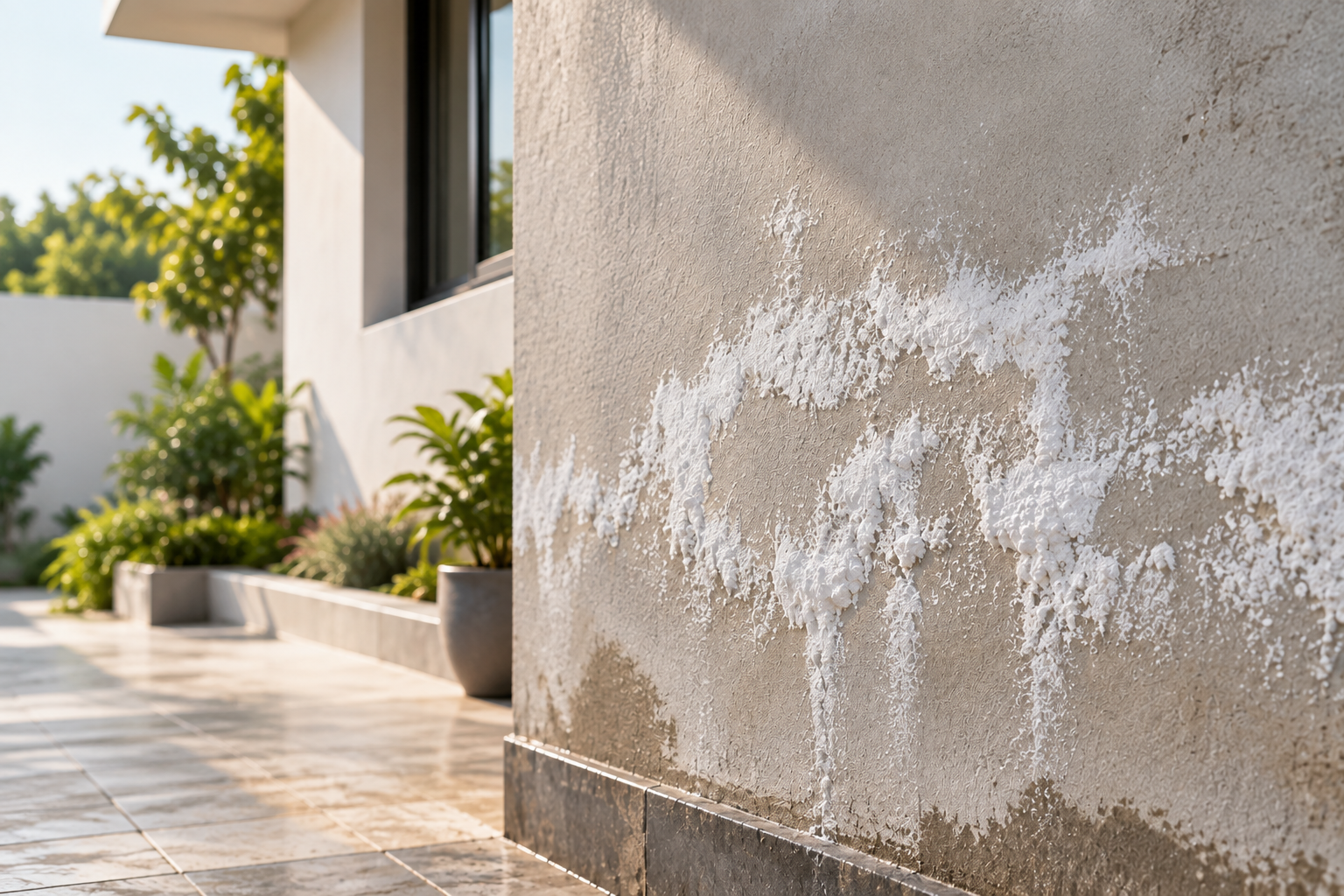
Efflorescence occurs when soluble salts migrate to the surface of the brickwork or plaster and create a crust as the water evaporates. Such salts are usually sulphates, chlorides or nitrates that are present in the natural raw materials like sand, bricks or cement.
It occurs because of:
Movement of moisture: Moisture goes into the wall through rain, groundwater or construction moisture.
Dissolution of salts: Salts are dissolved by the moisture that is contained in the bricks or mortar.
Crystallization of salts: As a result of evaporation of the water, salts are formed on the surface in the form of white spots.
Climatic factors affect this process. It is caused by high humidity, monsoons or bad ventilation. If efflorescence is not treated properly, it may reoccur causing crumbling of the plaster and peeling of paint.
The Chemical Process Behind Saltpeter
One of the most common examples of efflorescence is saltpeter, which is potassium nitrate. It occurs when the nitrates present in the soil or in the construction materials react chemically with the moisture.
Reaction with alkalis: Cement that we use is a mixture of alkalis which can react with both sulphates and nitrates, thus exacerbating efflorescence.
Capillary action: Moisture rises through the tiny holes in the bricks along with the dissolved salts.
Pressure during crystallization: When the crystals form inside the walls, there is an expansion effect that results in the formation of tiny cracks in the plaster.
Efflorescence is not only a surface phenomenon but rather a chemical reaction that destroys the wall structure.
Best Practices to Stop Shorat/Saltpeter on Walls
The prevention of saltpeter on walls needs a good understanding of construction procedures and use of materials. The best measures include:
Use low-alkaline Cement
Low-alkaline cement minimizes the effects of chemical reactions resulting in efflorescence.
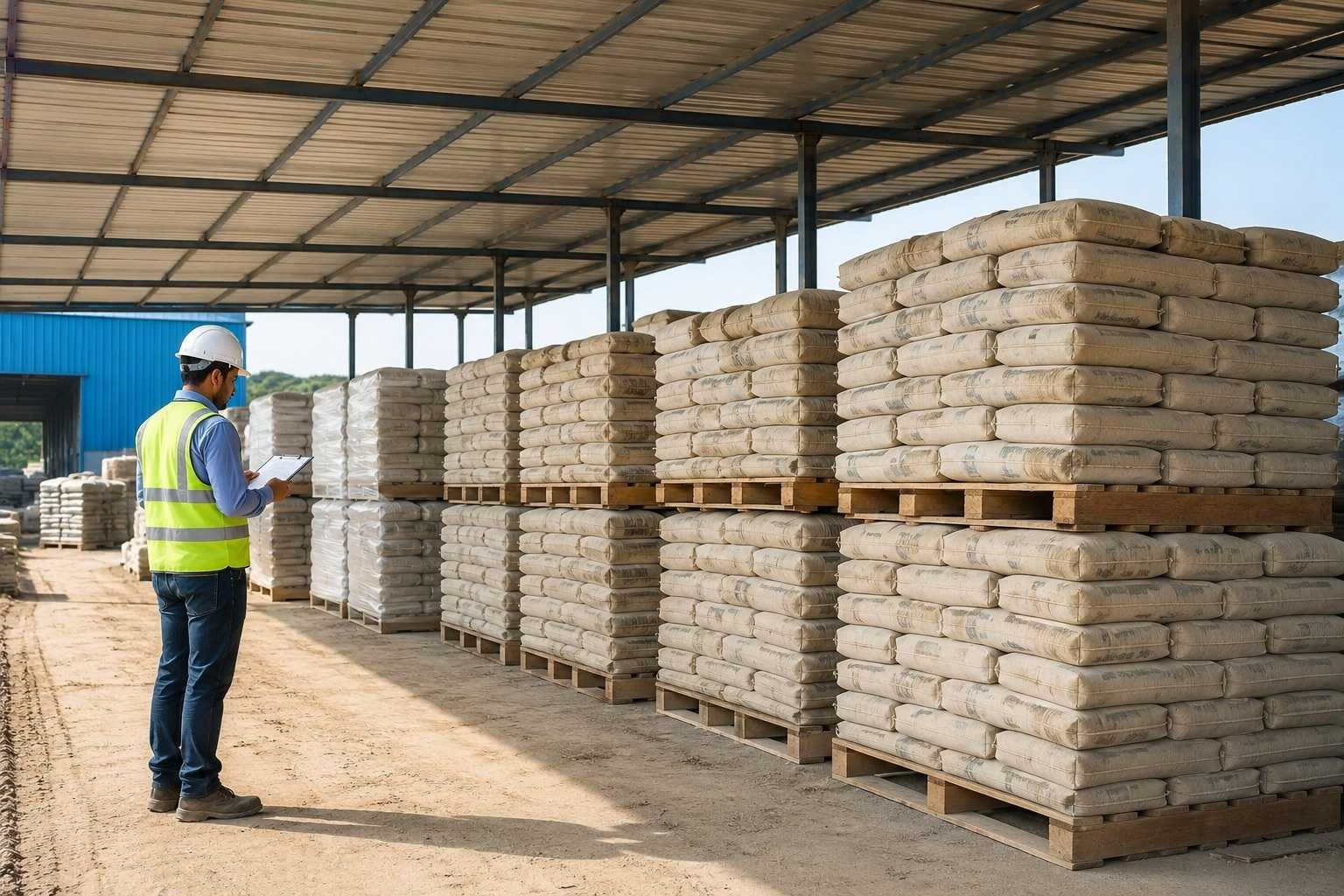
Inspect the specifications of cement before purchasing
Avoid using high-alkali cement, which aggravates the accumulation of salts
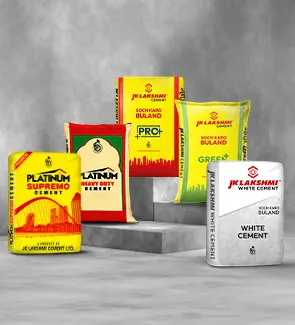
Prefer JK Lakshmi low-alkaline cement
Ensure Proper Curing
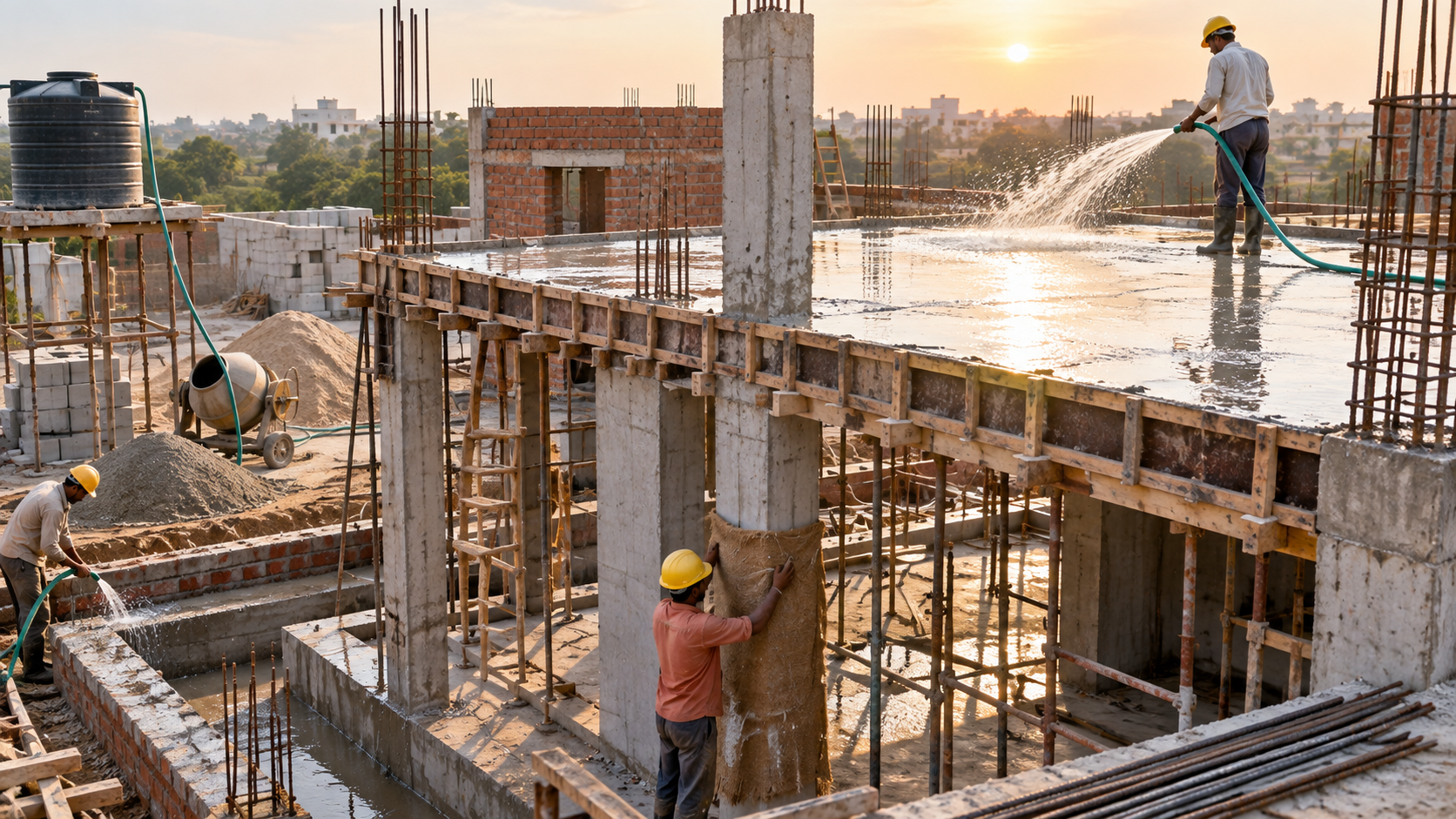
Controlled curing prevents excess water from seeping into walls.
Cure plaster for 7 days with controlled water
Avoid over-watering, which can dissolve salts
Use damp cloth curing for interiors
Improve Drainage and Ventilation
Moisture management is key to stopping salt migration.
You must provide proper drainage channels around walls
Roof and terrace waterproofing is a must
One must ensure cross-ventilated airflow in the structure to reduce humidity
Protective Coatings
Sealants and paints provide protection from moisture infiltration.
Use water-resistant primers when painting
Paints should be able to breathe and release vapour
Beware of low-quality coatings which cause trapping of moisture
Maintenance
Effective wall efflorescence treatment should also address the underlying moisture source to prevent the problem from recurring.
Inspect walls after monsoon
Remove salt deposits with a dry brush
Reapply protective coatings every 3 or 4 years
Choosing Low-Alkali Cement Varieties
Use of low alkali cement can be considered one of the best ways to prevent efflorescence. Normal cement is often made of materials that may interact with the salts to aggravate this
condition. This particular type of cement reduces such interactions, thereby ensuring that the
salts never reach the surface.
JK Lakshmi Cement Ltd. manufactures low alkali variants to counteract efflorescence. These types of cements reduce the chemical factors, thus ensuring that the walls are always spotless.
Long-Term and Climatic Effects if Ignored
Low-alkali cement is one of the best ways to control efflorescence. Regular cement usually includes alkali elements that may react with salts, thus causing more efflorescence. With the help of low-alkali cement, such reactions will be minimized, making sure that salts will not appear at the surface level.
Special types of low-alkali cement that help resist efflorescence are available in the market by JK Lakshmi Cement Ltd. and other established cement brands. Reducing chemical reactions, such cements will guarantee that you will rarely see white stains on your walls.
Possible Long-Term and Climatic Consequences
Here are the problems that homeowners may face:
Structures decay because of constant salt crystallization.
The appearance deteriorates as the paint peels off the walls
Extra costs related to additional maintenance work.
Thus, proper selection of cement will save homeowners from possible damages.
Efflorescence is not only an aesthetic problem but a chemical reaction indicating internal wall damage. Although water acts as a trigger, the root cause of this problem is actually the existence of alkali substances and salts in construction materials. Prevention is the key here, and this can be done through low alkali cement, proper curing, and efficient moisture control.
When building your house, prevention is always better than cure, which makes efflorescence a crucial thing to be aware of, and to address when it occurs frequently. Neglecting this process is equivalent to compromising the structural integrity, appearance, and even repair expenses.
Opting for low alkali cement will give you the assurance of the durability of your walls against the effects of the weather, absence of persistent salt stains on your walls, and good appearance in decades to come. With low alkali cements available from JK Lakshmi Cement, the objective of saltpeter-free walls can be made possible.




 Back
Back