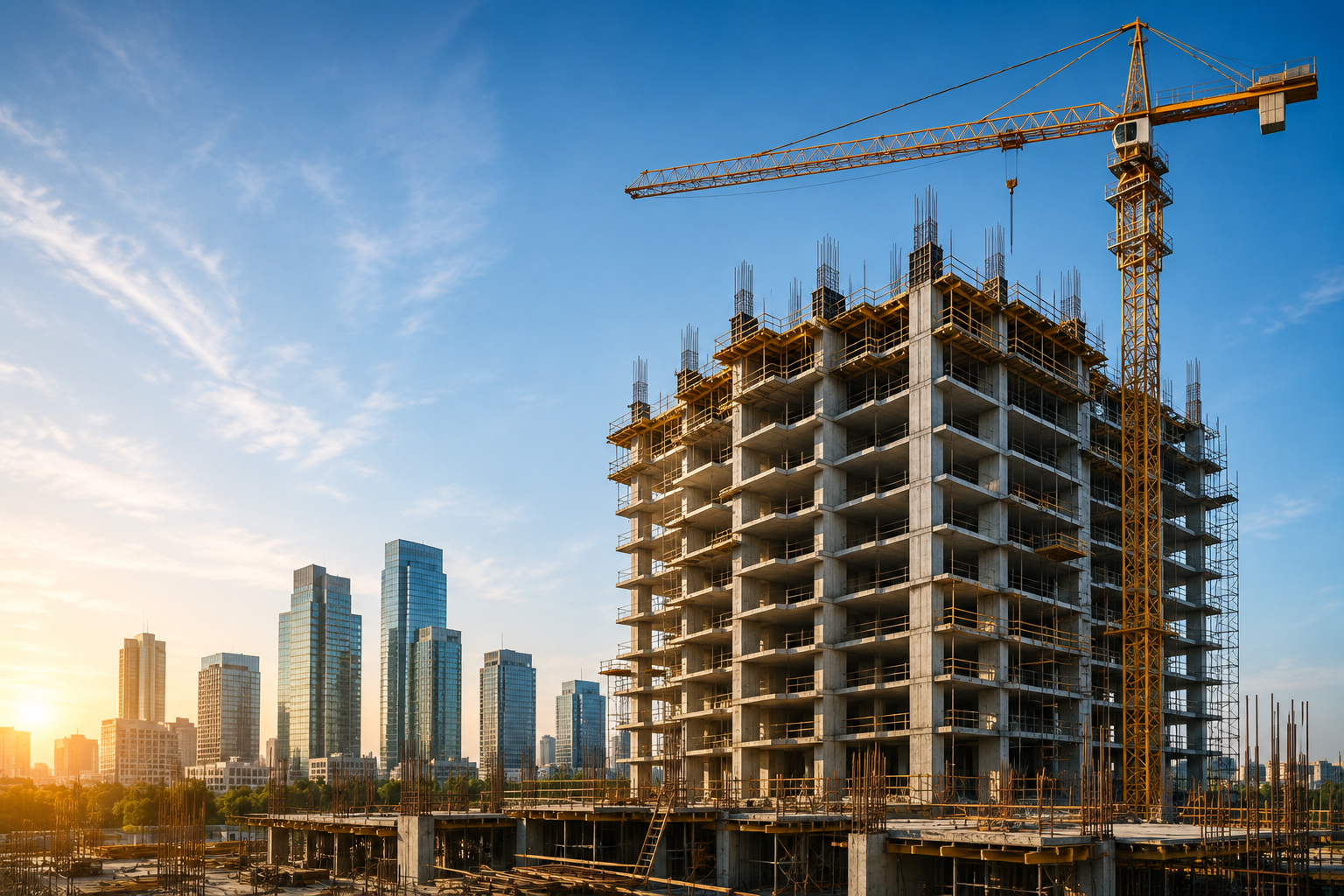
Choosing the Right Cement for Commercial Buildings and High-Rise Projects
When developing commercial structures and skyscrapers, the selection of cement goes beyond
mere technical considerations. It involves a commitment to the safety, strength, and reliability of
the structures being developed. The developers have an obligation to make sure that the cement
selected for the purpose will withstand enormous weight and pressure, and at the same time
conform to set guidelines. Hence, the selection of cement is one of the most important stages
of the development of the structure.
Cement Requirements for Commercial Construction
The materials used for commercial buildings must possess both strength and durability. Unlike
residential buildings, where beauty and affordability are the dominant considerations, the focus
of commercial buildings is on structural strength and adherence to safety standards. Therefore,
the selection of high-quality cement becomes crucial. The cement used must provide:
High compressive strength to carry heavy weights and multiple stories.
Resistance to weathering, moisture, and chemicals.
Uniformity in quality to ensure consistent performance across large quantities.
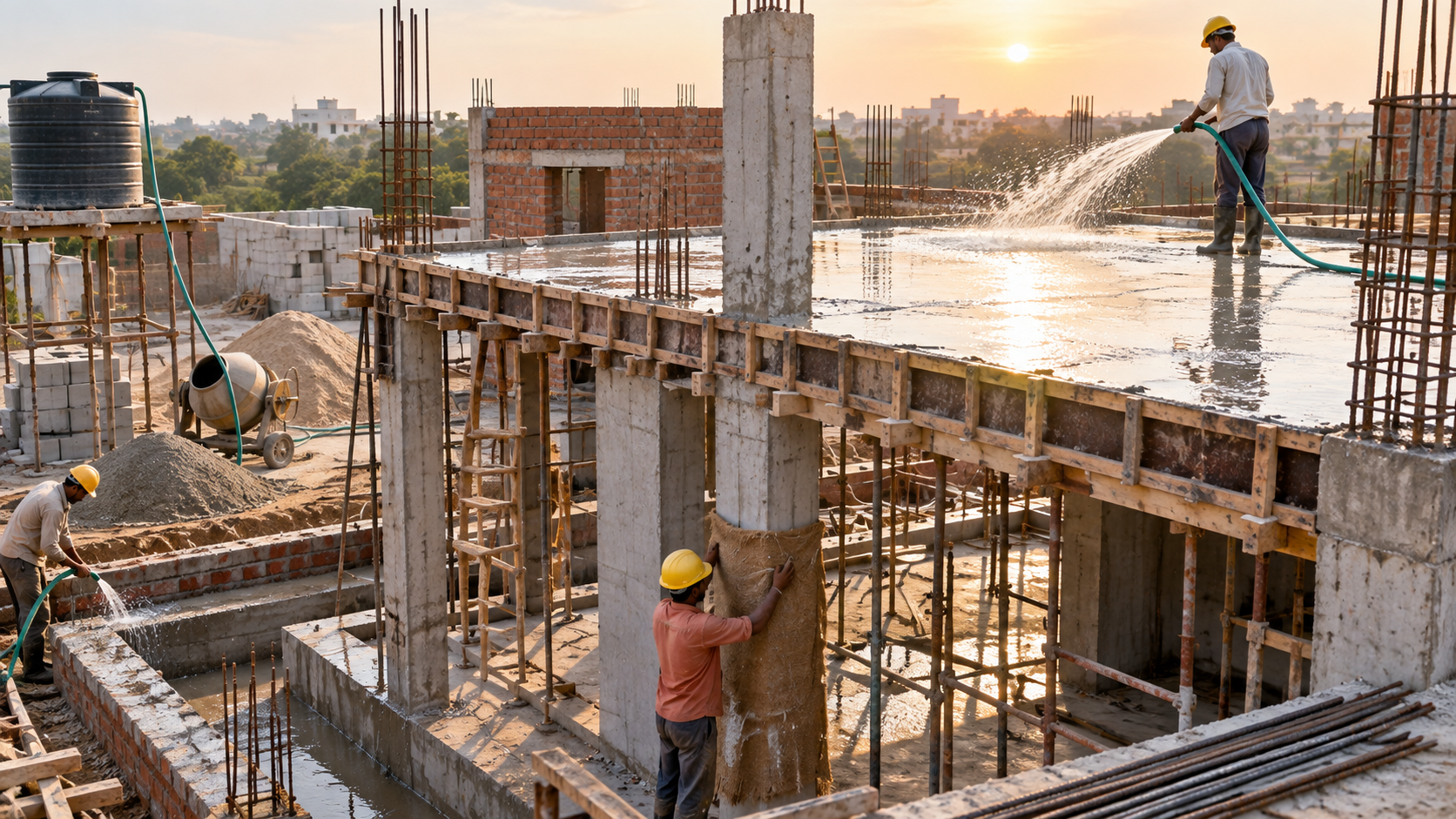
Ability to work well with reinforced concrete (RCC), which forms the core of many commercial buildings.
In the case of mortars, selecting the best mortar mix ensures a strong bond and reduces the
likelihood of cracks, particularly in commercial buildings, making it ideal as the cement for RCC
structures.
Best Cement Types for High-Rise Buildings
High-rise buildings poses challenges in their own right. As the building height increases, there is
a corresponding increase in the pressure on the lower floors as well as the foundation. This is
why the construction of high-rise buildings calls for special cement requirements. Some of the
best cements available for this purpose are:
High-strength cement: Specifically meant to create high-compressive-strength structures, this cement is best suited for skyscrapers and other tall buildings that require high structural strength.
Cement for reinforced concrete constructions: Buildings need cement that provides seamless bonding with the steel reinforcements.
Cement for infrastructure construction projects: Many commercial centres are often linked with infrastructure development. So, the usage of infrastructure-quality cement will be best.
These options provide the resilience needed for vertical expansion while maintaining safety
standards.
Factors to Consider Before Selection
Selection of cement does not simply depend on its strength, but also on its compatibility with
the project needs. Developers have to consider:
Load-carrying ability: Does the cement have sufficient compressive strength to match the building specifications?
Environmental considerations: Cement should withstand chloride and sulphate attacks in coastal and industrial areas.
Workability: The ease with which cement can be mixed and placed impacts the construction process.
Standards: There is an absolute need to comply with the national and international standards in commercial projects.
Sustainability: There is increasing demand for green cement in modern projects.
By weighing these factors, developers can ensure that the cement chosen meets performance
requirements while remaining strong and future-ready.
Performance and Compliance: Why It Matters
Unlike residential buildings, commercial buildings are subject to stringent rules and regulations
that dictate everything about construction, from fire safety requirements to earthquake
resilience. One of the key aspects of construction materials that meet all these guidelines is
cement. Using substandard materials could result in many complications and financial losses
due to construction failures.
Compressive strength of cement is one aspect but its performance also consists of many other
criteria including the ability to withstand strain and environmental conditions, consistency
throughout different batches and so on. In the case of high-rise buildings where tons of cement
are used, any imperfections could put safety at stake. Meeting regulatory requirements means
that all batches of cement will conform to the established standards.
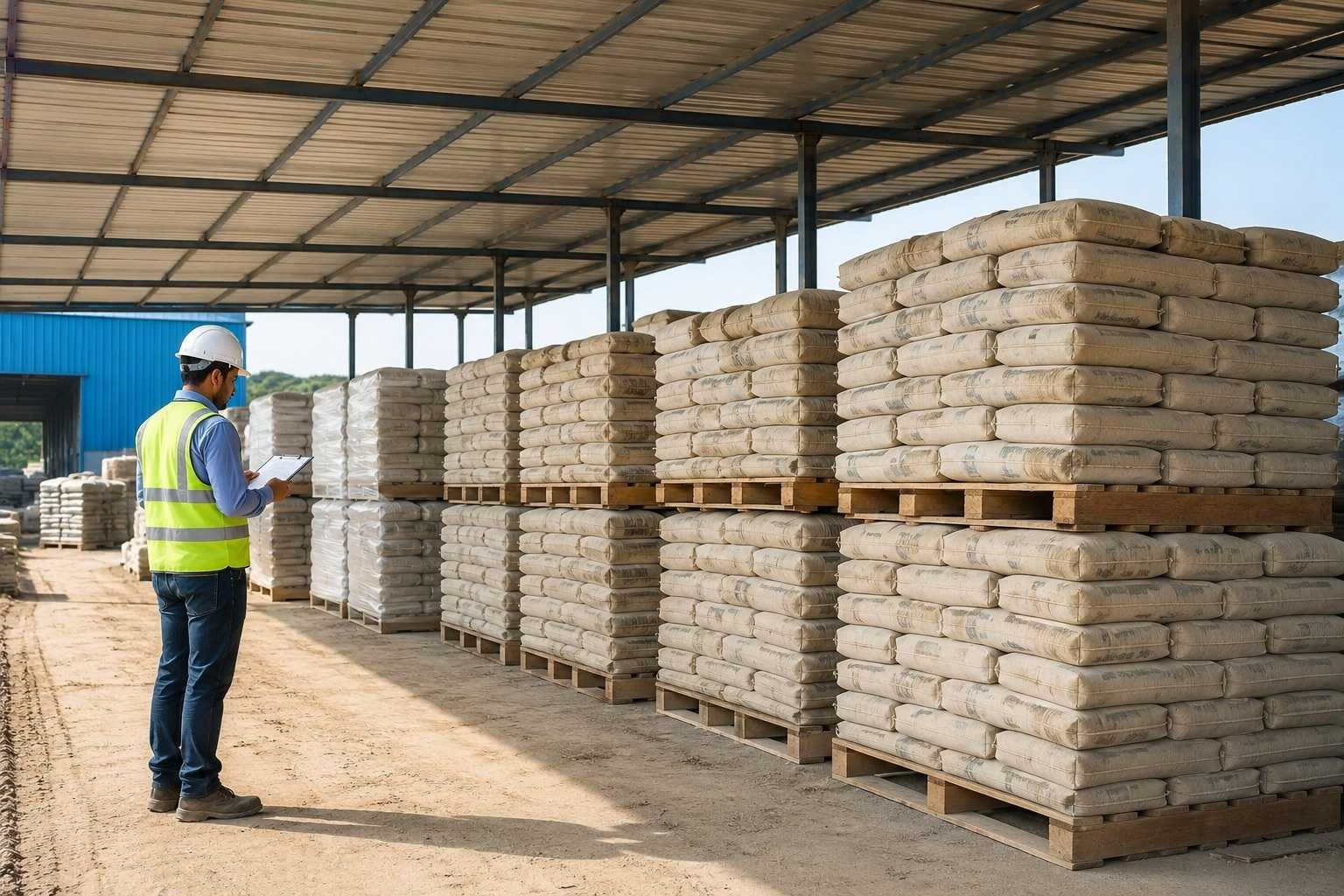
This makes quality assurance in construction materials indispensable. Cooperation with
suppliers of certified cement products guarantees that all batches of cement used in
construction projects meet performance standards. Find out more about quality assurance in
construction materials by JK Lakshmi Cement. However, compliance alone is not enough for
modern commercial construction projects. Developers should also be able to select suppliers
who invest in research and development and adopt sustainable manufacturing practices.
Balancing Cost and Value
While there are always concerns about costs, developers need to think of cement as an
investment rather than an expense. High-quality cement may be expensive, but it reduces future
costs associated with maintenance and extends the lifespan of the structure. In cases of
commercial developments, where safety is key, compromising on the cement quality is not an
option.
The benefits of high-quality cement lie in the ability to reduce future structural challenges. Such
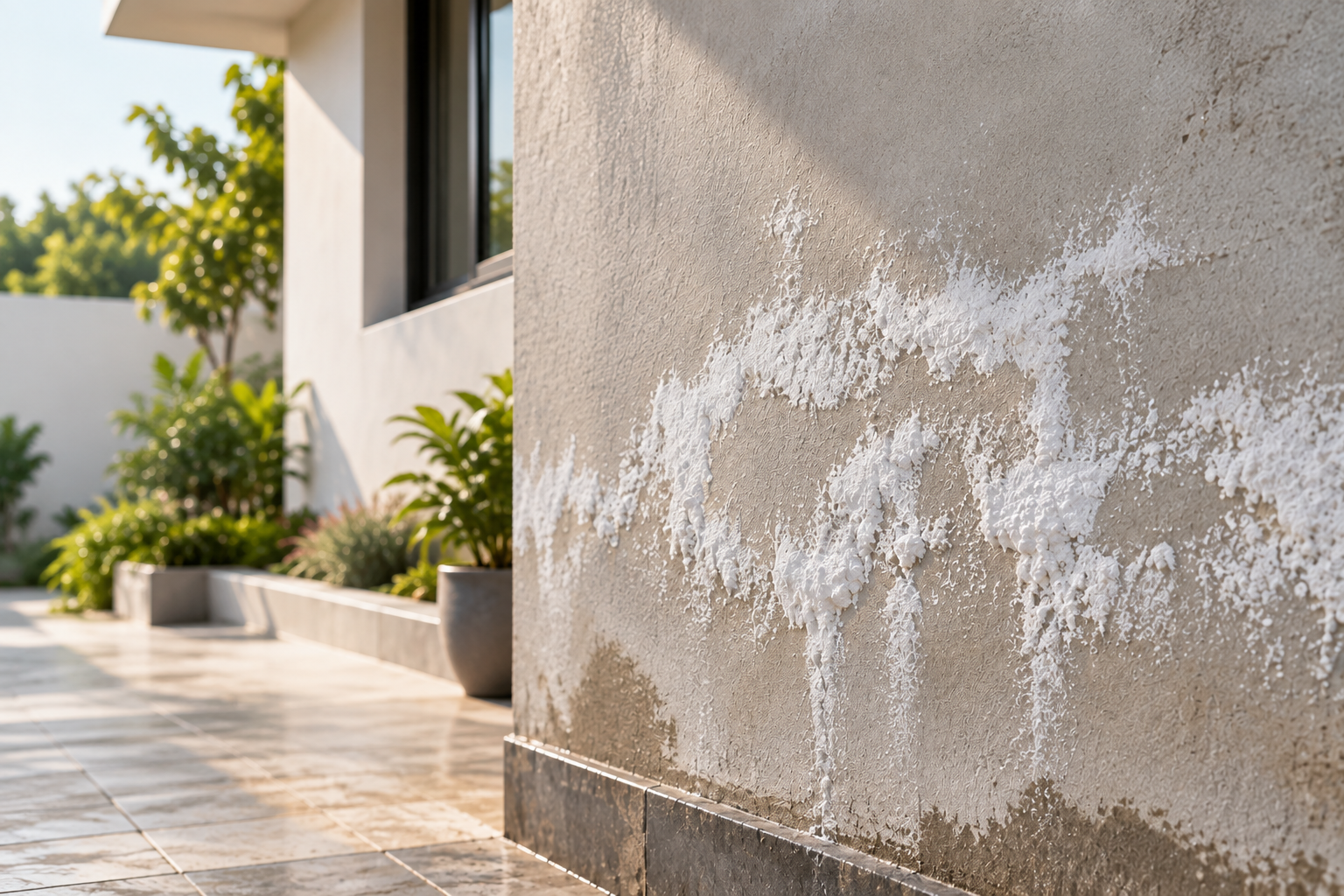
issues include cracks, seepage, and even corrosion of the reinforcements. Choosing to use
cement that suits RCC and high-rise buildings will help one avoid such problems. While there
will be initial costs, there will be savings through reduced repairs.
Developers working with smaller structures may try cement for home construction, but when it
comes to high-rises and commercial buildings, it is still best to stick with specialized cement. In
fact, some of the biggest developers use cement quality as one of their unique selling points in
their buildings.
The choice of the proper cement for use in commercial constructions and high-rise buildings is
an important step, which determines the future of the building itself. The proper combination of
strength, durability and compliance can be assured by means of the right choice of cement,
allowing developers to provide their projects with the chance to become real landmarks of
cities. RCC cement, high-strength cement, or high-rise construction cement; developers just
have to know what exactly they need in each case.
In any case, such an approach allows them to ensure a high level of performance and quality of
their buildings.




 Back
Back