Top Factors Affecting Cement Strength and Durability in the Indian Climate
The modern-day construction industry depends greatly on cement. Cement is one of the most important pillars of the real estate and construction industry. Considering the geographical location of India, where the climatic conditions vary, the top factors affecting cement strength are whether seasonal or environmental. How much impact do these causes have on the construction industry? It becomes imperative to understand the factors affecting the strength and durability of the cement.
How Does Climate Impact Cement Performance?
Owing to the geographic constitution and presence of various climatic zones in India, from wet coastal areas to dry interior zones, temperature variation, humidity, and rainfall affect the performance of cement. This also affects construction cycles and demand tendencies.
Heat and Aridity: Higher temperatures lead to quicker hydration, leading to cracks if proper curing procedures are overlooked or non-routine during the construction phase. It is necessary to maintain adequate moisture during the curing process.
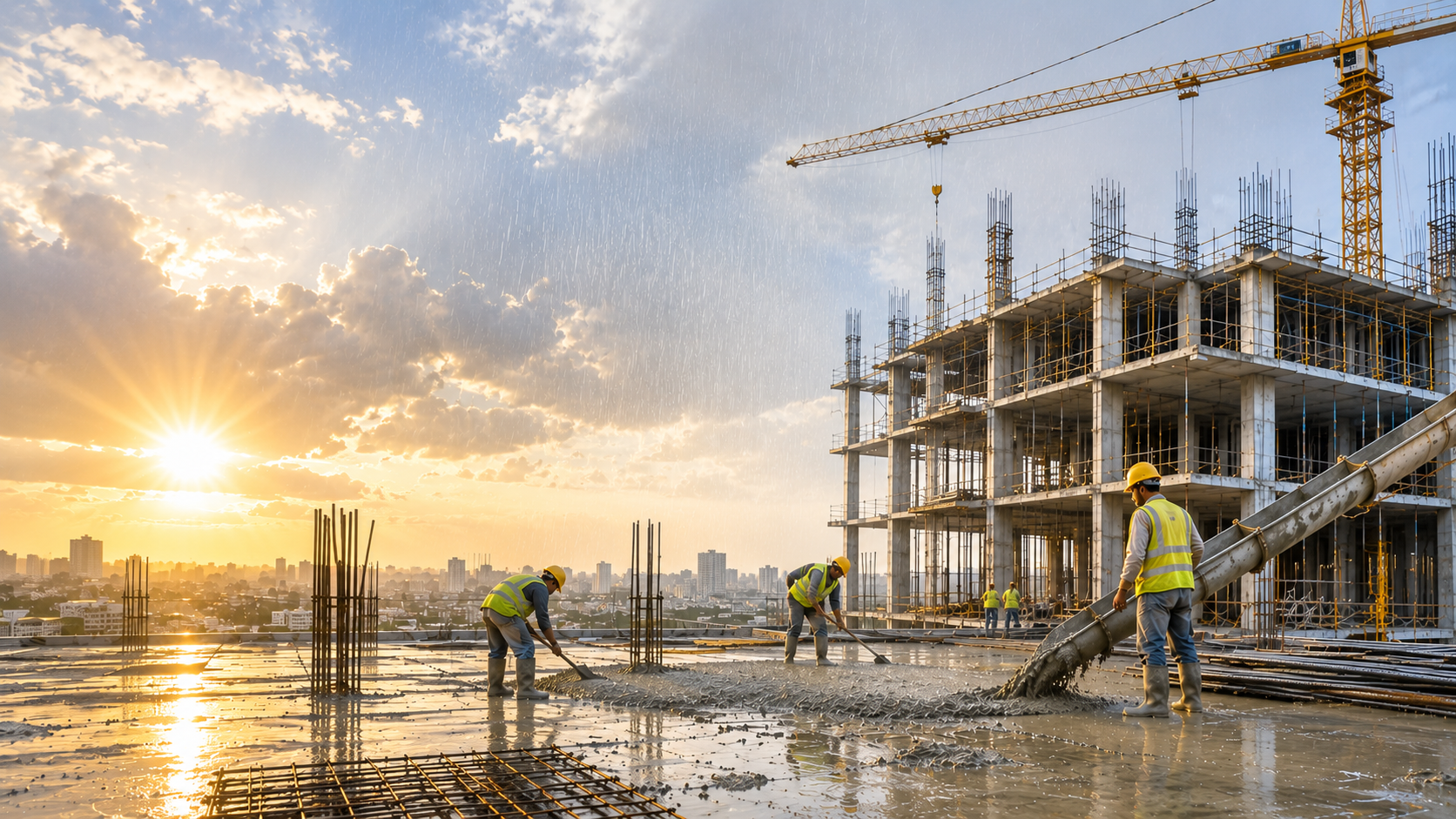
Monsoon Season: Too much rainfall and high levels of humidity have negative impacts on the durability of cement, especially if there is no proper curing. Waterproofing and proper drainage facilities are mandatory. Proper planning is necessary to maintain cement performance in monsoon conditions.
Cold Weather: Low temperatures slow down the process of hydration, hence leading to a gradual gain in strength. Builders should accordingly adapt their methods of construction. Builders must employ recommended techniques, such as using warm water for mixing or adjusting curing schedules. For detailed guidance, see buying cement in winter.
Key Factors Influencing Cement Strength
Several technical considerations govern the efficiency of cement in Indian climatic conditions. These include:
The Water Cement Ratio
The water-cement ratio is perhaps the most crucial factor determining the strength of the cement. In case there is excess water content in concrete, the resultant mixture is bound to be loose. Its density and strength would be reduced due to a lack of sufficient hydration.
Moreover, it is recommended to keep the ratio of water to cement between 0.4 and 0.6.
Uniformity in the mixing process ensures consistency in strength.
Quality of Raw Materials
Cement can deteriorate due to the presence of impurities in the raw material. To prevent fragmentation and failing strength gain during hydration caused by raw material impurities like limestone, clay, and gypsum, it is essential to use high-quality cement.
Curing of Cement Concrete
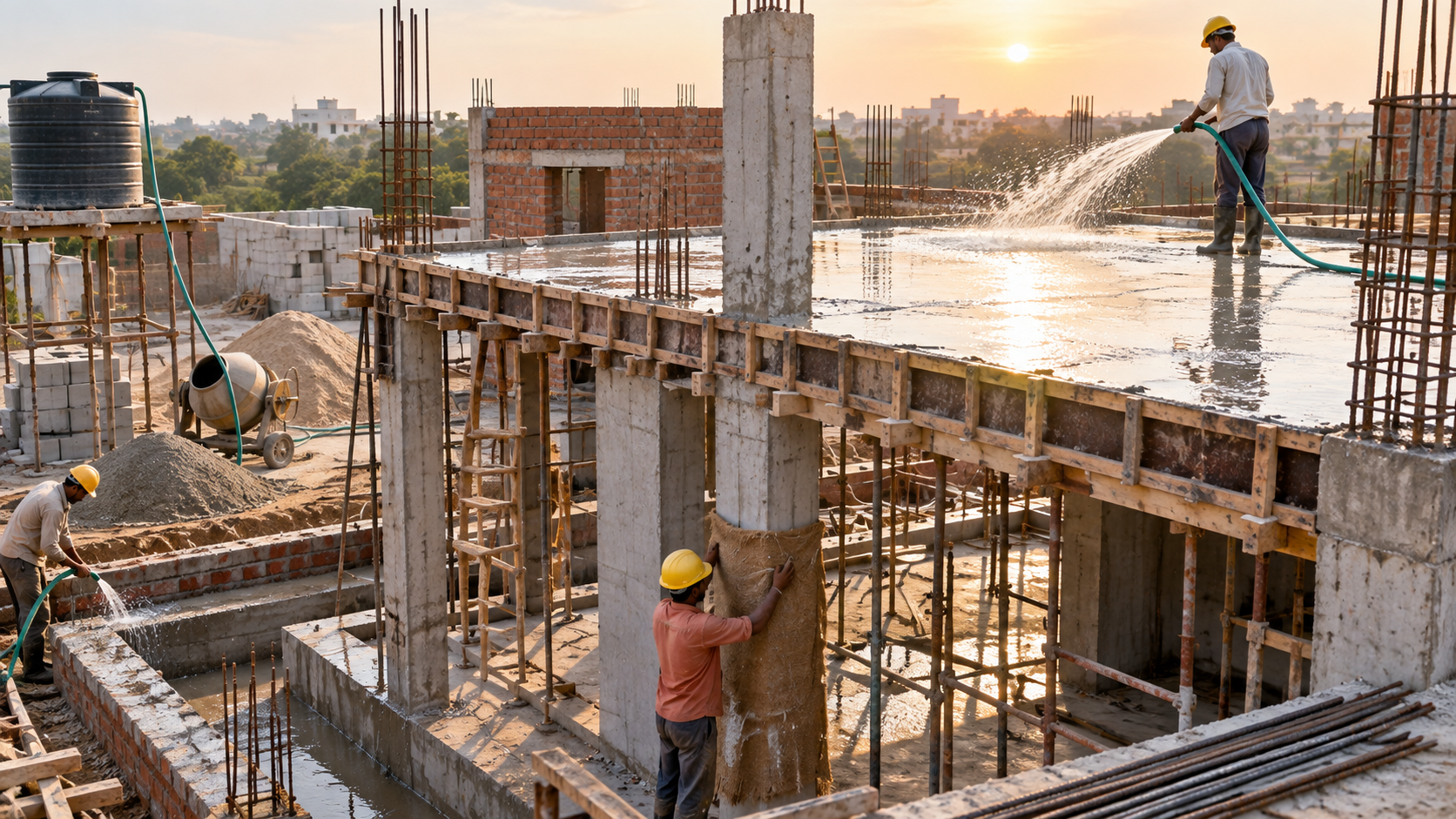
The process of curing concrete is very important for gaining adequate strength in structures. Curing provides ideal conditions for hydration.
In hot weather, curing has to be continued in order to prevent fast evaporation.
In case of monsoon, curing has to be done carefully to avoid exposure to excess water.
Lack of curing is the most frequent reason for structural weakness.
Mixing and Workmanship
Regardless of how high-quality the cement is, its mixing might play a key role in determining the strength and durability of the product. Consistent mixing of the cement together with sand and aggregates helps avoid the occurrence of structural failures in buildings made from concrete.
Exposure to Environmental Factors
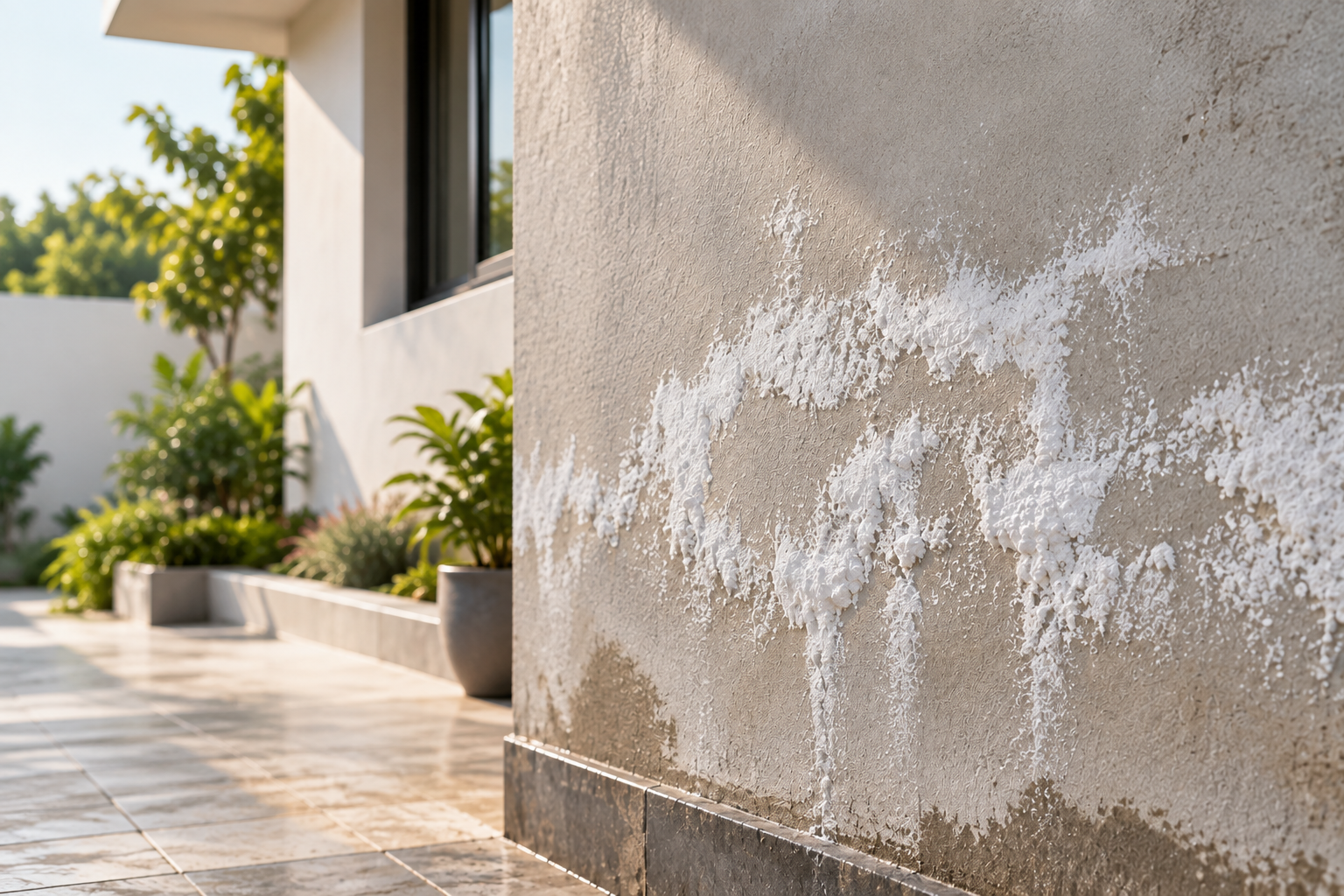
Exposure to environmental factors such as saline air in coastal areas, industrialization, or acid soils will lead to reduced durability of structures.
Role of Plastering Materials in Long-Term Wall Durability
Apart from cement, the finishing material is crucial for the protection of walls against climatic conditions. The use of high-quality plastering will ensure that the walls are smooth, crack-resistant, and water-resistant.
Gypsum plastering materials offer superior insulation properties and resist cracking due to shrinkage.
Plastering improves the beauty of walls as well as their structural integrity.
For more information, refer to the plastering materials, that work alongside cement.
Cement Durability in Indian Climate: Practical Recommendations
The following practices can be considered to make the construction of the buildings strong enough with regard to the different climatic conditions found in India:
Seasonal Arrangement: Modify the curing time and duration of the construction based on the requirements of every season.
Material Selection: Select suitable cements, depending on the climatic conditions of the region, for example, anti-sulphate cement in coastal regions.
Protection: Shield the building from moisture, water, and heat by covering and plastering.
Cement Quality: Purchase quality cement from trustworthy companies.
Structure Inspection: Conduct periodic inspections of the structure for any cracks or leaks in the structure.
Cement is not just used as a bonding agent but is also the backbone of construction in India. For the purpose of solving the problem that arises from the climatic conditions in India, it becomes essential to consider the various cement strength factors that have a decisive impact. By optimizing the water-to-cement ratio, the curing process for cement concrete, and the selection of high-quality plastering materials, one can ensure that the optimal potential of cement is being utilized.
Whether one is building a structure in Rajasthan, where there is scorching heat, or Kerala, where there is heavy rainfall, or even Himachal, which is very cold, they will have strong structures as long as they build their foundations well.





 Back
Back