Cement Manufacturing Process in India: Step-by-Step Guide
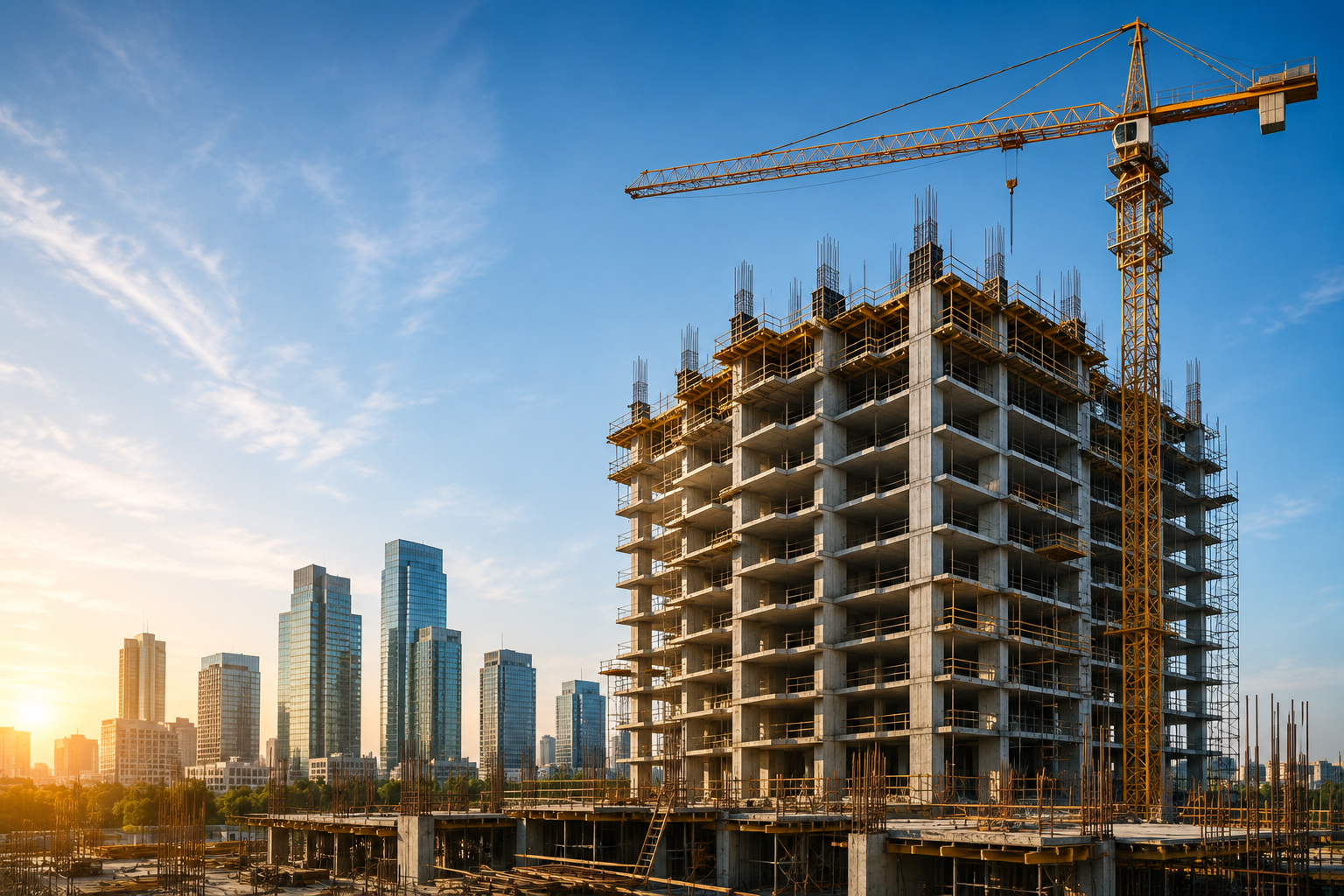
The construction of buildings, tower blocks, dams, and other constructions is done with cement being one of the major constituents. Without a doubt, cement remains the most vital element, which is required for any type of construction work. Have you ever pondered the cement manufacturing process? It may be interesting to know about the production of cement in India.
Raw Materials Used in Cement Manufacturing
Any great construction must begin with the use of appropriate building materials. Thus, production of cement is another area that necessitates the proper selection of materials, such as:
Calcium Carbonate: A primary raw material for cement, available in Limestone.
Silica, Alumina, Iron Oxide: They act as clay or shale properties during the process of cement production.
Gypsum: It is added in the later stages of cement production.
Other additives depend on the grade and type of cement being manufactured.
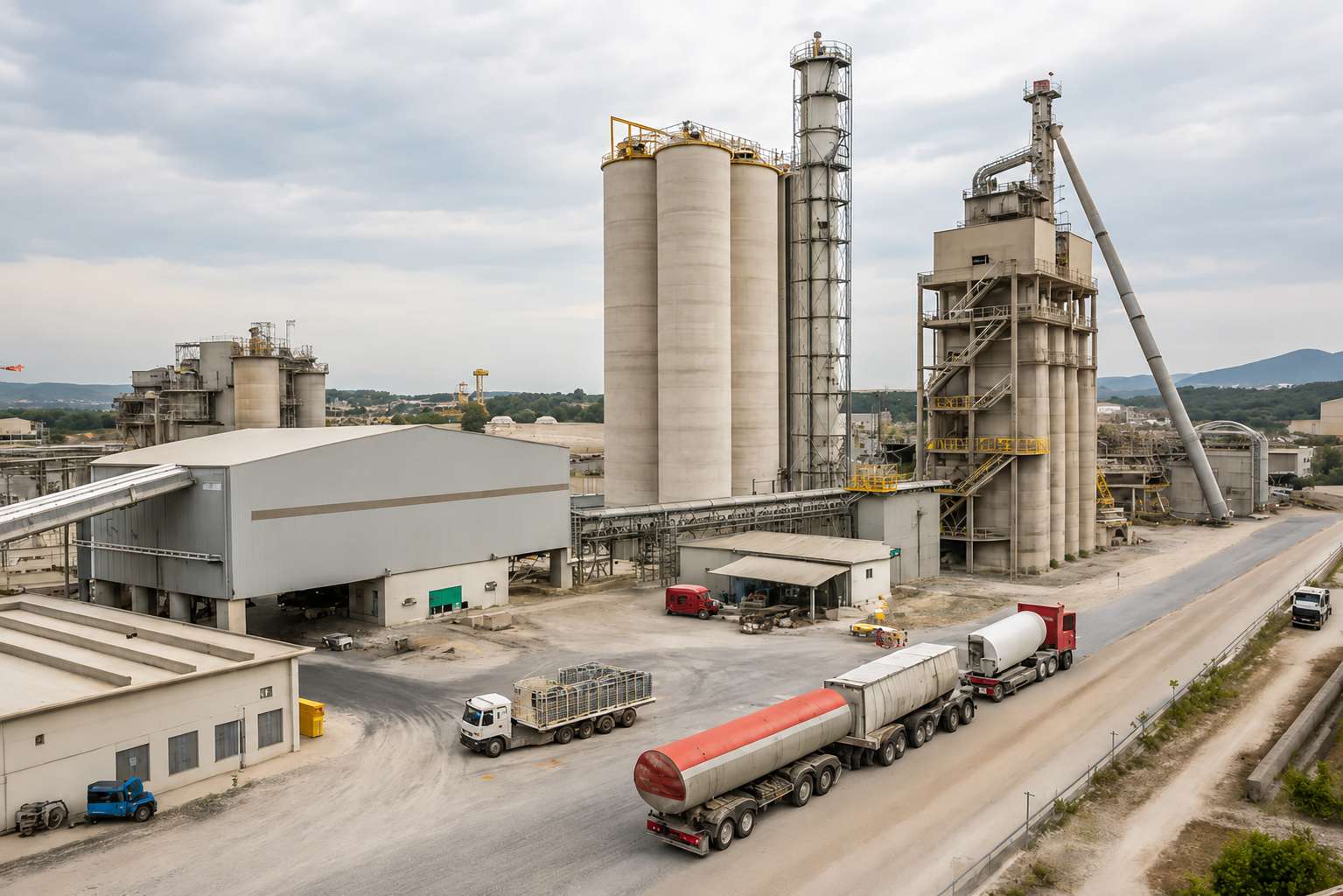
The process of cement manufacture entails cement production stages that are aimed at changing the physical structure of raw materials from a solid state to powder.
Mining and Crushing
This is the first step where limestone and other materials are mined. Mining is central to cement making.
Drill and blast limestone deposits in quarries
Transport raw stone to crushers
Crush into smaller, uniform pieces for easier processing
Raw Material Proportioning
The process of blending crushed raw materials for cement involves exact ratios. This is a vital second step that ensures a homogeneous mix and correct chemical balance.
Mix limestone, clay, and shale
Use computerized control systems for accuracy
Maintain chemical balance for clinker formation
Clinker Production
Heating the raw mix in kilns creates hard nodules called clinkers. Among the various cement plant processes, clinker production is considered the most critical phase of cement manufacturing.
Feed raw mix into the rotary kiln
Heat up to 1450°C for chemical reactions
Form clinker nodules that are the base of cement
Grinding and Mixing
Clinker is ground into a fine powder and blended with additives.
Grind clinker with gypsum to control setting
Add fly ash or slag if required
Achieve fine consistency for strength and durability
Packaging and Dispatch
The final culmination of the cement production stages is where cement is packed and delivered to the market for use.
Pack cement in bags or bulk containers
Store in moisture-free conditions
Transport to dealers and construction sites
All the stages of the cement production process are significant. Mining guarantees the availability of good raw materials, and proportioning provides for a balanced chemical composition. The formation of clinker provides strength, and grinding makes it easier to use.
With all this knowledge regarding the production process in a cement plant, you now understand why the process of producing cement in India is interesting. It is indeed a brilliant amalgamation of science and engineering.
Quality Control in Cement Production
Cement is not just about mixing raw materials; it requires precision at every stage. Quality control promotes the longevity and reliability of cement:
Lab Testing: Testing is conducted on the product's chemical properties and strength.
Automation: Modern manufacturing plants use automation to guarantee uniformity.
Environmental Impact Assessment: This procedure considers energy conservation and sustainability.
This ensures that the quality of cement produced is of the highest calibre for any construction project.
Why Quality Cement Matters
As you source your cement, while procuring, you will realize that there are various brands available at varying prices to give you varied projections of the project ROI. The next logical question to come up might be: "Why should I care about the brand I pick?" "Aren’t all forms of cement the same after setting?"
But it’s essential to know, for both individuals and procurement teams, how critical the choice of quality cement is for your structural integrity.
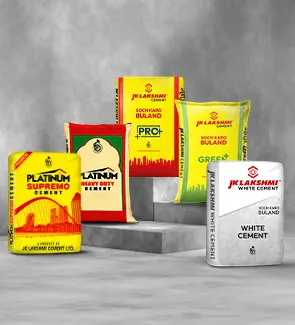
The bags might all look the same; however, the difference lies in the results of cheap cement in your buildings. Picture cracked walls after just a couple of rainy seasons or weakened foundations unable to hold the weight. It won’t be long before one realises that any cost saving done when buying the cement was temporary and would only result in further expenses for repairing, painting, or constructing afresh.
Quality cement, on the other hand, is produced through stringent quality checks throughout the production process, starting from the extraction of the raw material to packaging. This careful approach to construction materials provides the following three main benefits:
Longevity: Premium quality cement helps create structures that resist wear and can serve people for decades.
Safety: High-density cement guarantees there will be no cracks or collapse because of weak durability.
Responsibility: Production in an eco-friendly manner decreases the effect of the building material on the environment. Consequently, one should realize that higher-quality cement is a smarter long-term investment.
For more information about sustainable construction processes, read this insightful article about cement manufacturing.
Cement vs. Wall Putty
From an outsider’s perspective, one may easily mistake wall putty for cement because they are both dry ingredients that turn into solids when mixed with water. However, cement and wall putty serve totally different purposes in the construction industry. Mixing these up can create many problems and this is why there must be a clear distinction between these building materials depending on their functions.
What Is Cement?
Cement is one of the basic materials used in construction. Along with water, sand, and aggregates, cement makes concrete that is used to make foundations, columns, beams, and slabs.
Role: It strengthens and stabilizes the structure.
Application: In concrete, mortar, plaster, and all structural members.
Attribute: High compressive strength.
What is Wall Putty?
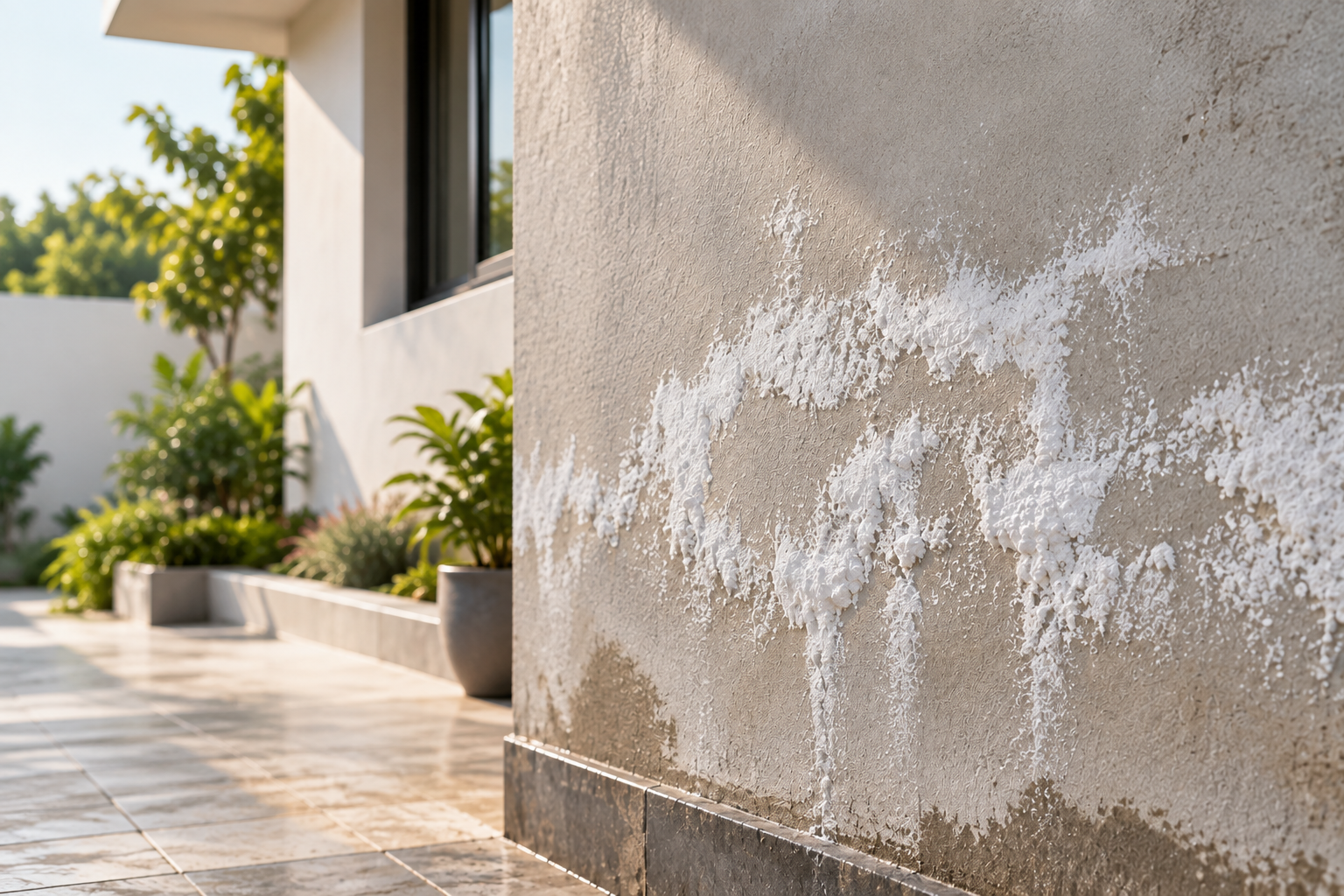
Wall putty, in contrast, is a finishing compound. This material is a fine white powder that consists of synthetic materials such as white cement. It is used for preparing walls for painting by filling in any gaps and cracks in the walls.
Primary Function: Ensures smoothness of the surface and aesthetic finish.
Application: Applied to walls before painting.
Main Feature: Ensures paint adheres to the wall surface.
Using wall putty in place of cement will be catastrophic for any structural construction work; it just cannot take any weight. Likewise, using cement for the finishing touch would give walls a rugged appearance, making them unsuitable for painting. Cement is what forms the backbone of any construction, whereas wall putty is what makes it look beautiful.
The cement manufacturing process in India involves the best of traditional knowledge and technological expertise to ensure that the final product lasts and delivers maximum performance. The next time you come across any construction activity, you'll be able to understand the entire process behind those bricks and beams.




 Back
Back