White Cement Vs Grey Cement: Which Is Better for Your Project
We see it around us everyday. We have seen dreams come to life in the shape of roofs and slabs, floors and walls. All of it takes on a moist grey colour and hardens over time, to create a fortress where love and happiness can thrive. Grey cement is the most commonly used material in India. It is synonymous with all the awe-inspiring modernization India has witnessed over the past decades. While grey cement is the most commonly used material in India, white cement on the other hand has created a niche for itself in the market. Grey cement is widely used across most construction applications, whereas white cement is primarily used for specialty and decorative purposes.
Differences Between White and Grey Cement
White cement and grey cement are two distinct variants of cement that differ in raw materials, colour, price, and usage. Grey cement is the desired material for structural construction, while white cement is preferred and used for aesthetic purposes.
Raw Materials & Colour
The constituents of grey cement are iron and manganese. These minerals, when combined, give it a dark grey colour. White cement is produced using low-iron materials like limestone and kaolin, which gives it a bright, shiny finish.
Strength & Composition
Both white and grey cements display the same strength requirements, but White cement is subject to more rigorous quality control measures. Grey cement is the preferred choice in construction, while white cement is preferred for its purity and shine.
Uses and Applications
Every building project begins with a choice: strength, beauty, or sustainability? The use of cement, from foundation to finish, in a house’s walls, is a determination not only of the strength of the structure but also of its character. Here is a more descriptive and narrative approach to these points:
The Industrial Foundation of Grey Cement
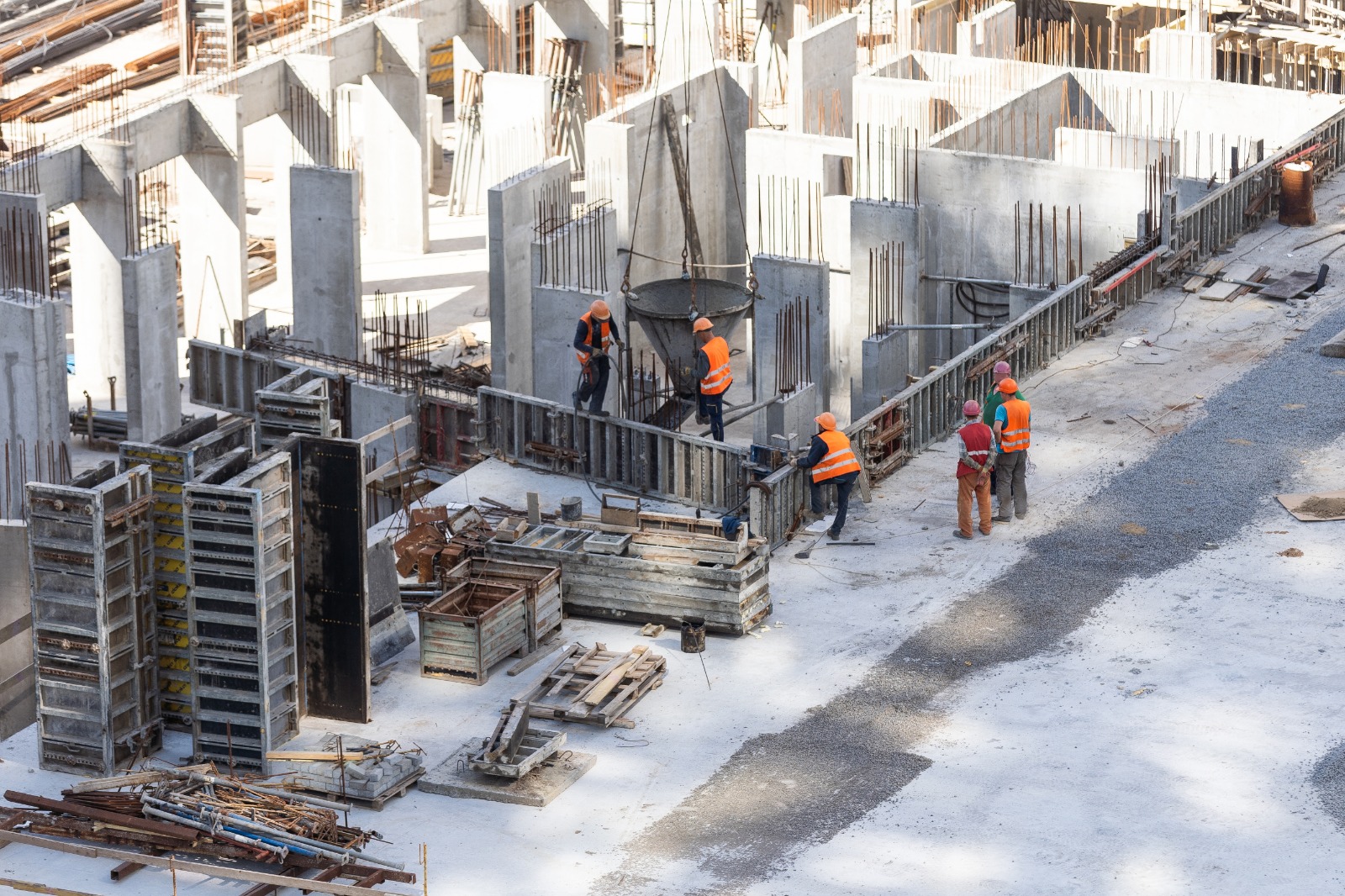
Grey cement is the backbone of modern construction, literally and figuratively. Its primary use is based on its strength and economy. It is the essential choice in situations where strength is preferred over beauty.
The Artistic Versatility of White Cement
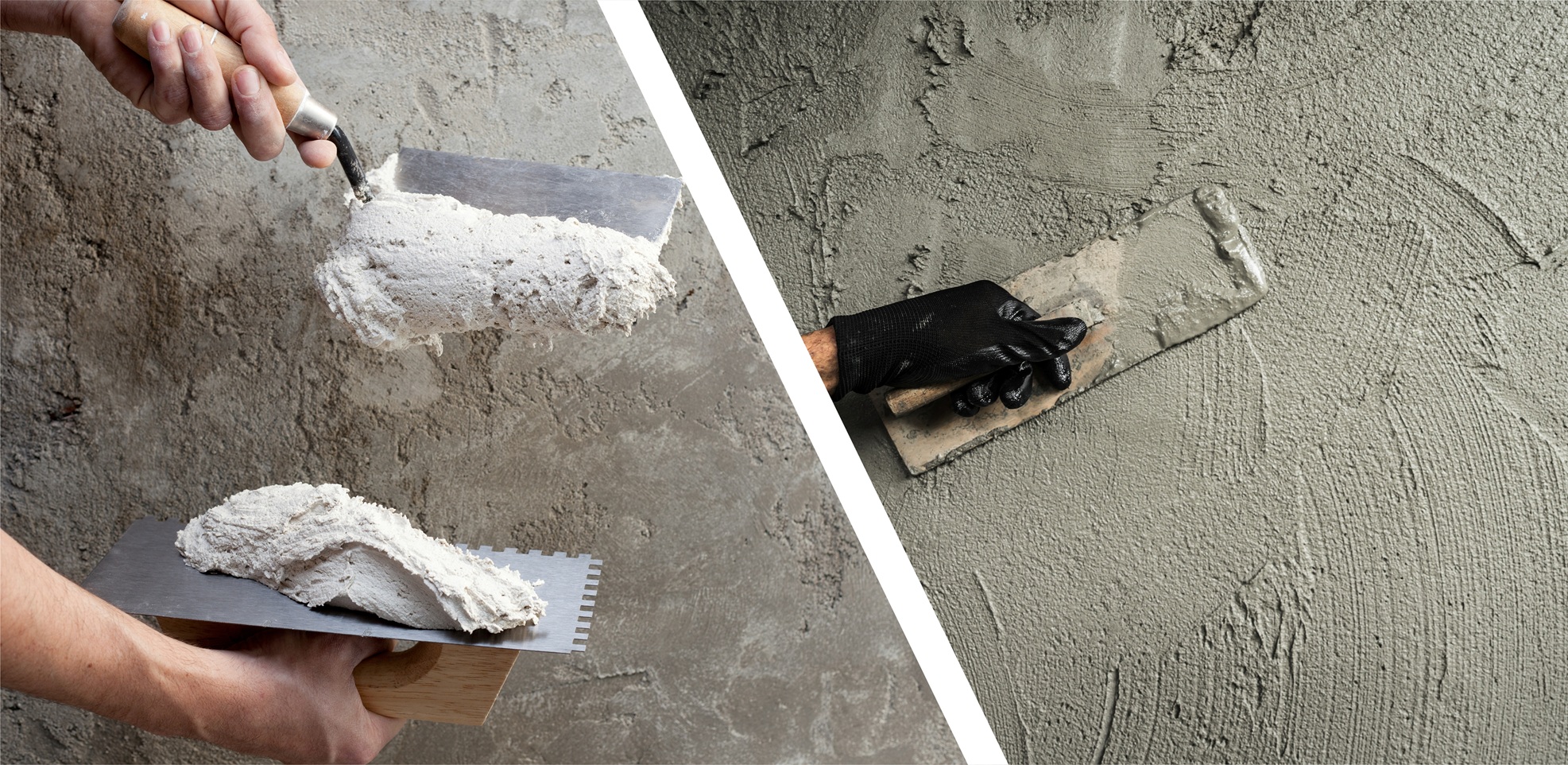
White cement is the preferred choice for applications where the finish is as important as the form, where it becomes a canvas for artistic expression. Its pure white colour is achieved by the selection of raw materials with low iron and manganese content, resulting in a fine powder that gives strength and a smoothness that is unmatched. This makes it the material of choice for decorative applications such as intricate terrazzo flooring, marble-like wall putty, and precast concrete panels. Not only does it provide its own colour, but it also provides the ability to be mixed with pigments to create vibrant and lasting colours that would be merely muddied by grey cement. Where a project requires a sophisticated architectural finish or a seamless and polished surface, white cement is the key ingredient that provides that premium finish.
Choosing the Right Cement
It’s all about choosing the right cement for the right job. Whether it is for general use or for high-end applications, the choice that you make will have a long-lasting impact on the strength and appearance of your space.
Cost Comparison
Grey cement is the more economical choice as compared to white cement because it provides a high-quality product at a much lower price. It is in fact the only viable and necessary choice for large-scale construction. White cement, on the other hand, comes with a higher price because of the complex process involved in its production. Although the price is a concern, it is alleviated by the fact that the product can provide a high-quality aesthetic finish, which grey cement lacks.
Factors for Quality and Durability
What one must remember is that grey cement is the durable, go-to cement and a basic necessity for construction. White cement is valued for its weather-resistant properties and its aesthetic finish.
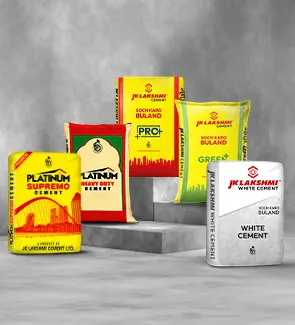
JK Lakshmi Cement Ltd. offers blended cement solutions that perfectly combine high-quality cement offerings with sustainable practices. The brand offers blended cement solutions that are designed to maintain high cement quality while promoting sustainable construction.
Green Cement: A Sustainable Choice for Modern Construction
Sustainable practices have shifted from being a specialty to a fundamental architectural need. Green cement is a manifestation of this change, designed to specifically address the reduction of carbon emissions and minimize the environmental impact of the construction without undermining the fundamental principles of strength and durability. In the Indian market, this change is taking place at a rapid pace, thanks to the emergence of a new breed of environmentally conscious construction professionals and homeowners who consider the preservation of the environment as important as the foundation of their homes. Green cement is a technology that enables us to build our modern infrastructure by overcoming the challenges of climate change presented by urbanization.
With the launch of LC3 Green Cement, JK Lakshmi Cement has expanded its sustainable product lines and will continue to develop more innovative solutions in the future.
It all boils down to matching the needs of your project with the properties of each cement type. If your ultimate goal is to have strength and economy on a massive scale, then grey cement is the only viable option. But, if your primary goal is more inclined towards aesthetics, then white cement is the preferred choice. And, for those who have their sights set on the future of the construction industry; green cement is the sustainable alternative.



 Back
Back