Common Mistakes to Avoid While Choosing Cement for Construction Projects
Cement is the backbone of any construction, especially when building a home. Cement
is the silent force that holds all the bricks, stones, and steel together and lends strength
to the building. However many people, including homeowners and builders,
unknowingly commit mistakes while choosing the cement for construction.
This article discusses why choosing the right cement is important, the consequences of
choosing the wrong cement, and the common mistakes people make while buying
cement.
Why Choosing the Right Cement Matters?
Cement is not merely a commodity; it is a precisely engineered material. The strength,
durability, and safety of your project depend directly on selecting the right type. Cement
plays a great role in determining the durability of your project. The use of the wrong type
of cement or even the poor quality of cement can cause cracks in the project, thereby
reducing its capacity and even leading to structural failure.
For a homeowner, using the wrong type of cement can cause cracks in the walls
of the home, as well as the seepage of water. It can also cause homeowners to
incur high maintenance costs.
For a builder, the wrong type of cement means lost trust and potential legal
battles. The poor quality means structural failure. In construction, cement is the
heartbeat that keeps a project alive.
Less Durability: The cement will not last long due to environmental stress.
Less Safety: The cement will not be able to withstand heavy loads.
Increased Cost: Repairs, plastering, and renovations will cost a lot over a period of time.
Just a quick quality check before buying cement, i.e., checking for the ISI symbol, the
manufacturing date, or doing a quick hand test, will save you from all this trouble.
You can avoid all of this by performing simple quality checks before purchasing cement.
Most Common Cement Selection Mistakes
1. Ignoring Cement Grade
Different cement grades, specifically OPC-43, OPC-53, and PPC (Portland Pozzolana Cement)
are engineered for specific construction applications rather than universal use.
OPC-53 is meant for use in high-rise buildings.
PPC, on the other hand, is most suitable for residential homes, plastering, and brickwork.
Using the wrong grade of cement can result in a weaker and shorter lifespan of the structure.
PPC for a high-rise building can result in a weaker high-rise, and OPC 53 for a simple job like
plastering can prove costly.
2. Overlooking Brand Reliability
In the quest to reduce costs, the buyer often prefers to buy from less-known brands.
Although the price may be lower, such cement brands do not guarantee consistent
quality. Nationally recognised brands are thoroughly tested before they are certified.
Remember, saving a few rupees today will cost you lakhs of rupees during repairs later.
3. Skipping Quality Tests
One common mistake is buying cement without checking its freshness. Cement should
bear the ISI mark. The manufacturing date of the cement should not be too old. Old
cement does not bond properly. It becomes lumpy. The smoothness of the cement can
be checked by rubbing the cement between the fingers. Good-quality cement should
float briefly before sinking in water.
4. Buying Without Considering Project Needs
Builders buy cement in bulk without considering the requirements peculiar to each stage
of construction. Foundations, slabs, and plastering have different requirements for
cement. For instance:
Foundation work requires high-strength OPC.
Slabs will be advantageous if PPC is used.
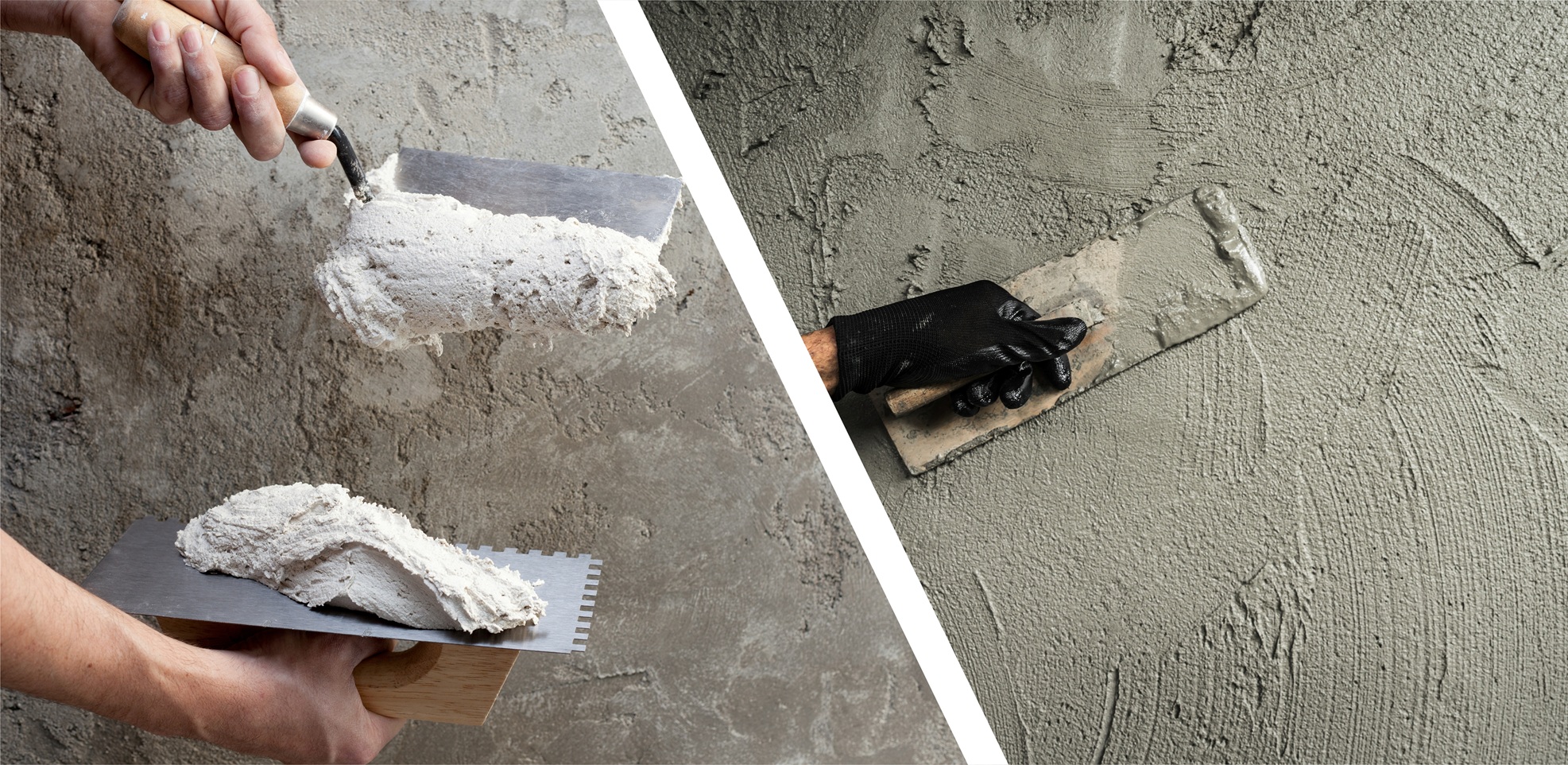
Plastering requires cement for a smooth finish.
This ignorance of the requirements of different construction phases results in waste.
5. Poor Storage Practices
It does not matter how good a cement brand you are using. Its effectiveness can still be
compromised by poor storage. Moisture can cause lumps to form, which reduces the
effectiveness of cement. As such, one should always ensure that their cement is stored in a dry
and well-ventilated area, away from any contact with the ground. Waterproofing of the cement
bags, as well as the stacking of the cement, should be adhered to.
Additional Mistakes Often Overlooked
Ignoring Environmental Conditions
Different regions experience different conditions due to various environmental factors
like humidity, salinity, or extreme temperature conditions. For instance, in coastal
regions, PPC is often used due to its resistance to chemical attacks. Ignorance of these
conditions can reduce the lifespan of your house.
Focusing Only on Price
One should never make a decision based solely on price. Cement, as earlier stated, is a
long-term investment. One should never gamble with their house by choosing to
purchase cheaply without looking at the quality.
Not Consulting the Experts
Most people depend only on the shopkeepers’ advice or their own perceptions. Consulting
experts such as engineers or construction experts help to ensure that the right cement is used.
How to Choose Cement Wisely?
Select the cement grade according to the project type.
Ensure cement is fresh and not expired.
Buy only from reliable and certified brands.
Perform a quick quality test before use.
Store cement properly to maintain strength.
Consider environmental conditions before finalizing.
Seek expert consultation for specialized projects.
Cement, though seemingly just a simple grey powder, holds the power to shape the future of
your building. By avoiding mistakes like not factoring in grades, not factoring in the reliability of
the brand, not conducting quality checks, and not storing the cement in the right manner, you
are able to build stronger, safer, and more durable buildings.
For the homeowner, this means a sense of security and a sense of high value for your property.
For the builder, it implies reassured trust, enhanced reputation, and long-term success!
It’s not just about building structures; it’s about building confidence, safety, and legacy.





 Back
Back